Supplying Large Electric Motors and Pumps Since 1989
Leading Suppliers of Large Electric Motors and Pumps
For over 30 years, The Pump & Motor Works, Inc. has proudly served industries worldwide with innovative engineering, manufacturing, repair, and testing services coupled with one of the world’s largest inventories of large electric motors and industrial pumps. Backed by a team of experts offering 24 hour support and a robust ISO 9001 certified quality management system, PMW is committed to delivering reliable, cost-effective solutions while continually investing in research and development and ensuring customer satisfaction through its commitment to safety, reliability, and efficiency.
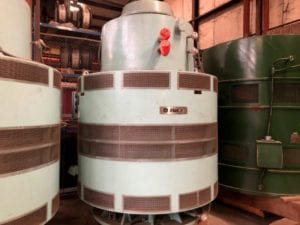
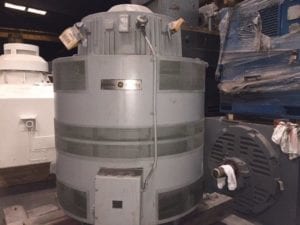
Large Pump and Motor Inventory
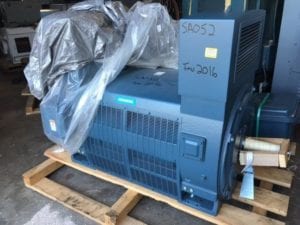
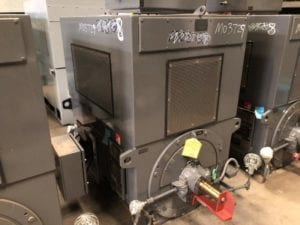
We buy new, used and unused surplus equipment.
Manufacturing Projects
We design, manufacture, and test large electrical machinery.
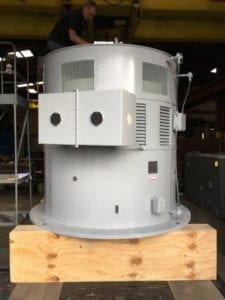
1500 HP 26 Pole Circulating Pump Motor
1500 HP 26 Pole Circulation Pump Motor New 1500 Horsepower, 26 Pole, 4 KV inverter duty circulating pump motor designed and manufactured for a nuclear power utility.
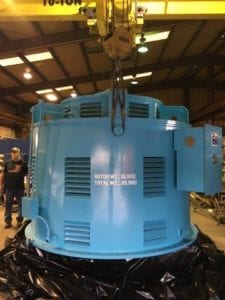
1250 HP Circulating Pump Motor
1250 HP, 36 Pole, 4 KV Circulating Pump Motor 1250 HP, 36 Pole, 4 KV circulating pump motor designed and manufactured for a nuclear power utility.
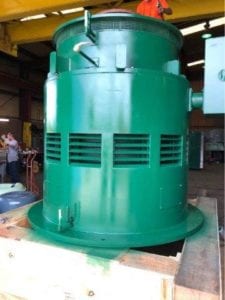
1000 HP Circulating Pump Motor
1000 HP, 28 Pole, 4 KV Circulating Pump Motor 1000 HP, 28 Pole, 4 KV Circulating Pump Motor manufactured for a nuclear power utility.
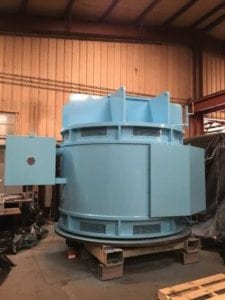
2500 HP Circulating Pump Motor
2500 HP, 20 Pole, 13.2 KV Circulating Pump Motor 2500 Horsepower, 20 Pole, 13.2 KV vertical solid shaft circulating pump motor designed and manufactured for a nuclear utility.
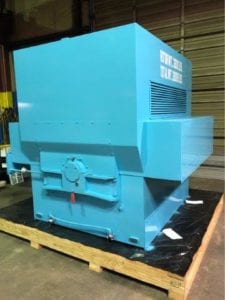
3000 HP Condensate Pump Motor
3000 HP, 2 Pole, 13.2 KV Condensate Pump Motor 3000 horsepower, 2 pole, 13,200 volt condensate pump motor designed and manufactured for a nuclear power utility.
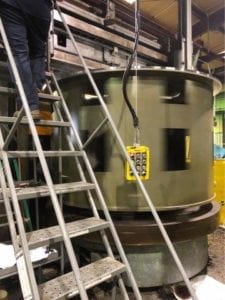
120 Inch VTL
New 120 Inch Vertical Turret Lathe New vertical turret lathe capable of swinging 120 inches. Pictured is the stator retention frame for a 1250 horsepower, 36 pole circulating pump motor
The Advantage of PMW’s VLF Test Capabilities
In the world of electrical motor testing and maintenance, ensuring insulation integrity is paramount to avoiding costly downtime and catastrophic failures. Very Low Frequency (VLF) testing has emerged as a trusted method for assessing the condition of motor windings and cable insulation, especially in medium and high-voltage equipment. The Pump & Motor Works, Inc. (PMW) […]
Why Stator Core Testing Is Critical in Remanufacturing
In the remanufacturing industry, the integrity and performance of electric motors hinge significantly on the condition of the stator core. As a critical component, the stator core directly influences the motor’s efficiency, longevity, and reliability. Skipping or underestimating stator core testing during remanufacturing can lead to premature failures, increased downtime, and elevated costs. Understanding why […]
Behind the Scenes of Testing a Synchronous Generator
Testing a synchronous generator is a critical phase in ensuring its reliability, performance, and longevity. While the machine’s design and manufacturing are essential, the real assurance of quality comes from rigorous testing procedures that simulate operating conditions and identify potential issues before the generator goes online. In this post, we will take you behind the […]
The Process of Certifying a Motor to ISO 9001 Quality Standards
In today’s competitive industrial landscape, ensuring that motors meet stringent quality standards is essential for manufacturers aiming to maintain reliability, safety, and customer satisfaction. One of the most recognized frameworks for quality management is ISO 9001. Certifying a motor to ISO 9001 standards involves a structured process that guarantees consistent quality in design, production, and […]
Insulation Failure – Causes and Repair Methods
Insulation failure is one of the most common and costly issues encountered in electric motors and rotating machinery. It often leads to unexpected downtime, reduced equipment life, and expensive repairs or replacements. Understanding the root causes of insulation failure and applying the correct repair methods is essential for maintaining reliable motor operation and extending equipment […]
The Importance of Shaft Alignment in Motor Longevity
In the world of industrial motors and rotating equipment, shaft alignment often goes unnoticed until a failure occurs. However, proper shaft alignment is a critical factor that directly influences the performance and longevity of motors. Misalignment can lead to a cascade of issues that reduce equipment efficiency, increase maintenance costs, and ultimately shorten the lifespan […]
Lessons From Repairing 3000 HP Condensate Pump Motors
Repairing 3000 HP condensate pump motors presents a unique set of challenges and opportunities for motor repair professionals. These motors, critical in power plants and large industrial facilities, operate under demanding conditions that require precise maintenance and expert troubleshooting. Over the years, working on these high-horsepower motors has provided valuable insights into best practices for […]
How Large Utility Companies Rely on PMW for Emergency Support
In the complex landscape of electrical power generation and distribution, large utility companies face constant challenges to maintain uninterrupted service. Unexpected equipment failures, natural disasters, or sudden demand surges can jeopardize grid stability and customer satisfaction. To navigate these high-stakes scenarios, many utilities rely on specialized partners like The Pump & Motor Works, Inc. (PMW) […]
Engineering Behind Vertical Pump Motor Assemblies
Vertical pump motor assemblies are critical components in a variety of industrial applications, ranging from water treatment plants to chemical processing and power generation. Their unique design enables efficient fluid handling in confined spaces while offering exceptional reliability and performance. Understanding the engineering behind these assemblies reveals how manufacturers optimize motor and pump integration to […]
Modernizing Legacy Motors for New Industrial Specs
In the fast-evolving industrial landscape, legacy motors often find themselves outpaced by new standards and specifications. Despite their robust construction and proven reliability, many older motors struggle to meet modern efficiency, safety, and performance requirements. Rather than replacing entire motor systems, modernizing legacy motors offers a practical and cost-effective solution that extends equipment life and […]
Field Service Diagnostics for Mission-Critical Motors
In industries where uptime is non-negotiable, mission-critical motors serve as the backbone of operations. These motors power essential processes across sectors such as manufacturing, energy, water treatment, and transportation. Unexpected motor failures can lead to costly downtime, safety risks, and significant financial losses. Consequently, effective field service diagnostics are crucial to ensure these motors operate […]
Balancing and Alignment – Keys to Extending Motor Lifespan
Electric motors are the backbone of countless industrial applications, powering everything from manufacturing lines to HVAC systems. Despite their robust design, motors are prone to failures if not properly maintained. Among the most critical yet often overlooked maintenance practices are balancing and alignment. These two factors play a pivotal role in reducing mechanical stress, preventing […]
How Stator Rewinding Can Restore Motor Performance
Electric motors are the workhorses behind countless industrial processes, driving machinery, pumps, conveyors, and more. Over time, however, even the most robust motors can experience a decline in performance due to issues within their stators. One of the most effective ways to restore motor efficiency and reliability is through stator rewinding. This process not only […]
Tips for Reducing Downtime With Planned Motor Maintenance
Unplanned motor downtime can be a costly setback in any industrial operation, leading to lost productivity, increased repair expenses, and missed deadlines. The heart of many manufacturing and processing systems, electric motors demand consistent attention to maintain peak performance. Implementing a strategic planned maintenance program is essential for minimizing unexpected failures and maximizing equipment reliability. […]
DC Motor Testing Protocols and Failure Modes
Direct Current (DC) motors remain a cornerstone in industrial applications due to their precise speed control and robust performance. However, like all electromechanical devices, DC motors are subject to wear and failure over time. Implementing rigorous testing protocols is essential for ensuring reliability, diagnosing issues early, and extending motor lifespan. Understanding common failure modes alongside […]
How PMW Engineers Customize Motor Design Using FEA
In the evolving landscape of electric motor design, precision and customization are paramount. At The Pump & Motor Works, Inc. (PMW), engineers harness the power of Finite Element Analysis (FEA) to tailor motor designs that meet the exacting demands of diverse industrial applications. By integrating FEA into the design process, PMW ensures optimal performance, reliability, […]
What Makes PMW Unique
In the competitive world of industrial motor repair and pump services, finding a partner that combines technical expertise, quality assurance, and customer-centric solutions is crucial. The Pump & Motor Works, Inc. (PMW) stands out as a leader in this arena, offering a unique blend of capabilities that address the evolving needs of industries relying on […]
The Science Behind Vibration Analysis in Electric Motors
Electric motors are the workhorses behind countless industrial processes, driving everything from pumps and conveyors to compressors and fans. Despite their robust design, motors are subject to wear and mechanical stresses that can lead to failures if not detected early. Vibration analysis has emerged as a critical diagnostic tool, enabling maintenance teams to identify issues […]
Explaining No-Load and Full-Load Motor Testing Procedures
Understanding the performance and reliability of electric motors is essential for ensuring efficient operation and preventing costly downtime. Two fundamental testing procedures—no-load and full-load testing—play a crucial role in evaluating motor condition and performance. These tests provide valuable insights into the motor’s mechanical integrity, electrical health, and overall efficiency. Whether you are a motor technician, […]
The Role of Thermographic Inspections in Motor Diagnostics
Electric motors are the workhorses of modern industry, driving everything from manufacturing lines to HVAC systems. Ensuring their reliable operation is critical to minimizing downtime and costly repairs. Among the various diagnostic tools available, thermographic inspections have emerged as a powerful, non-invasive method to detect potential motor faults before they escalate. By capturing and analyzing […]
Industrial Pump Repair and Motor Services: Why an Integrated Approach Saves Time and Money
The Case for Integrated Pump and Motor Service In most industrial facilities, pumps and motors are treated as separate systems serviced by separate vendors. The pump goes to one shop, the motor goes to another. This fragmented approach creates coordination delays, finger-pointing when problems persist, and missed opportunities to optimize the complete rotating assembly. The […]
Buying Used and Surplus Electric Motors: How to Avoid Costly Mistakes
The Smart Way to Buy Used and Surplus Electric Motors Purchasing used or surplus electric motors can save 40-70% compared to new equipment. But not all used motor dealers are created equal. The difference between a good deal and an expensive mistake comes down to testing, engineering evaluation, and the reputation of your supplier. At […]
Nuclear Power Plant Motor Repair: Quality Standards, Testing, and What Utilities Need to Know
The Unique Demands of Nuclear Motor Repair Electric motors in nuclear power plants operate under some of the most demanding conditions in any industry. From safety-related pump motors in the reactor coolant system to balance-of-plant condensate and circulating water pump motors, these machines must deliver absolute reliability. When they need repair or replacement, the stakes […]
Electric Motor Rewind vs. Replace: A Cost-Benefit Analysis for Plant Managers
When Should You Rewind Instead of Replace? One of the most critical decisions a plant manager faces when a motor fails is whether to rewind the existing motor or replace it entirely. The answer depends on several factors including motor size, age, criticality, and the capabilities of your service provider. This guide breaks down the […]
Large Electric Motor Repair Services: What to Look for in a Service Center
Choosing the Right Large Electric Motor Repair Provider When a critical large electric motor fails, the cost of downtime can reach tens of thousands of dollars per hour. Choosing the right repair service center is not just about finding the closest shop — it’s about finding a partner with the engineering depth, testing capabilities, and […]
Custom Electric Motor Manufacturing – PMW’s Process Explained
In an era where precision and efficiency define success in industrial applications, custom electric motor manufacturing has become indispensable. Off-the-shelf motors often fall short of meeting specific performance requirements, environmental conditions, or unique design constraints. At The Pump & Motor Works, Inc. (PMW), we understand that no two projects are alike. Our tailored approach to […]
Surge and Hipot Testing – What Plant Engineers Need to Know
In industrial settings where electric motors and rotating machinery are critical to operations, ensuring the integrity and reliability of insulation systems is paramount. Surge and hipot testing are two fundamental diagnostic methods that plant engineers rely on to assess insulation health, identify potential failures before they occur, and maintain equipment uptime. Understanding these tests, their […]
Liquid Rheostat Function in Motor Testing
When testing large electric motors, ensuring accurate performance under controlled conditions is critical. One essential tool in the motor testing process is the liquid rheostat. This device plays a vital role in providing adjustable load resistance, allowing engineers to simulate real-world operating conditions safely and efficiently. Understanding how a liquid rheostat functions and its benefits […]
Why ISO 9001-2015 Quality Management in Motor Repair
In the competitive field of motor repair, maintaining high standards of quality is essential to ensure customer satisfaction, operational efficiency, and regulatory compliance. Implementing ISO 9001:2015 quality management principles provides a structured framework that helps motor repair companies achieve consistent, reliable results. This international standard is recognized globally for its focus on process improvement and […]
Wound Rotor vs. Squirrel Cage Motors – What’s the Difference
When it comes to selecting the right induction motor for industrial applications, understanding the fundamental differences between wound rotor and squirrel cage motors is critical. Both motor types fall under the category of three-phase induction motors and offer robust performance, but their construction, operation, and application suitability vary significantly. This knowledge helps engineers and maintenance […]
Benefits of Predictive Maintenance on Large Motors
In industrial environments, large electric motors serve as the backbone for critical operations, powering everything from pumps and compressors to conveyor systems and heavy machinery. The failure of these motors can result in costly downtime, significant repair expenses, and safety hazards. Traditionally, maintenance strategies have relied on either reactive repairs or scheduled preventive maintenance, which […]
Available Around the Clock
We offer support 24 hours per day, 7 days per week